Overview
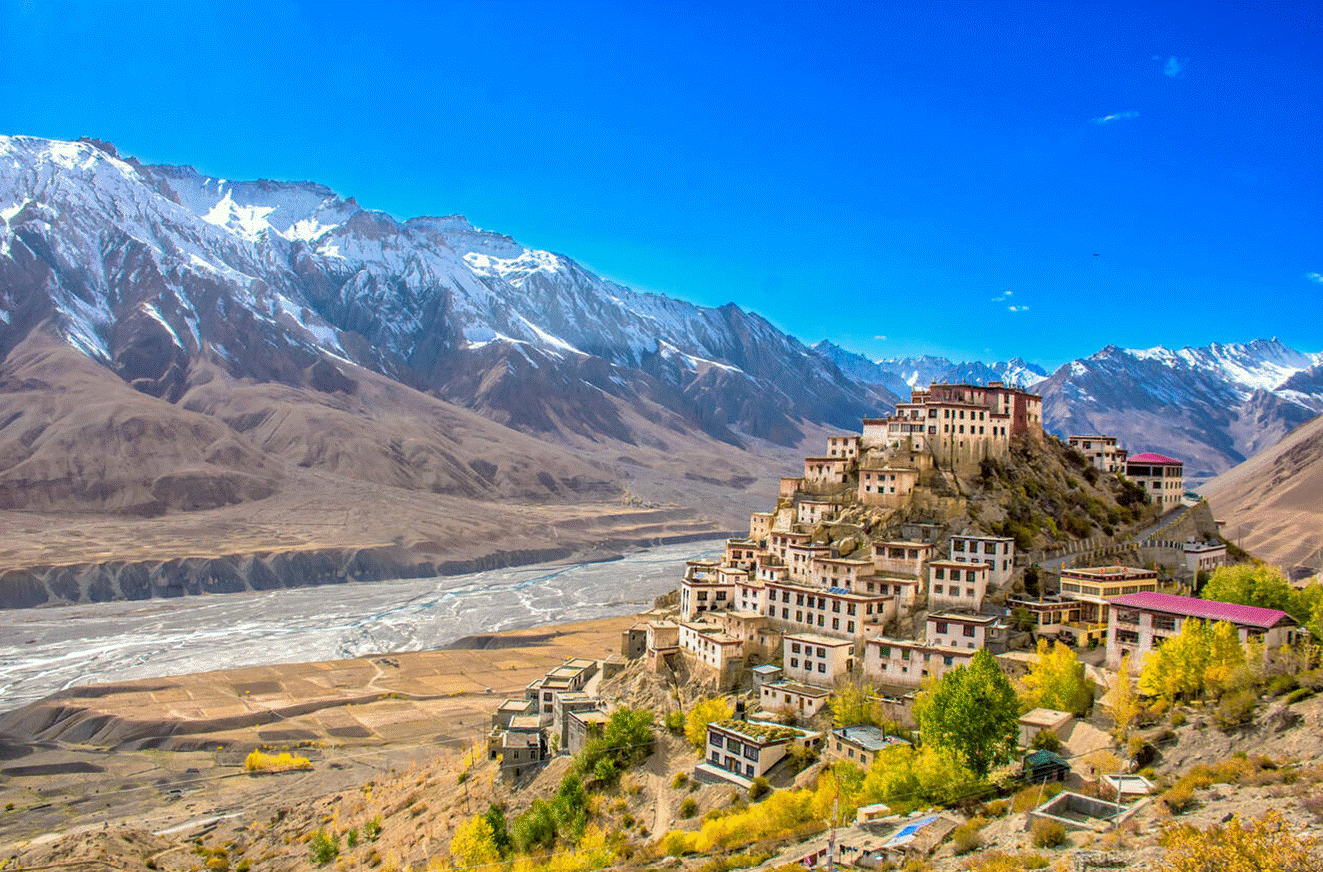
Experience the raw beauty of the Himalayas with this unforgettable journey through the magical valleys of Spiti Valley, Sangla, Chitkul, Tabo and Kaza.
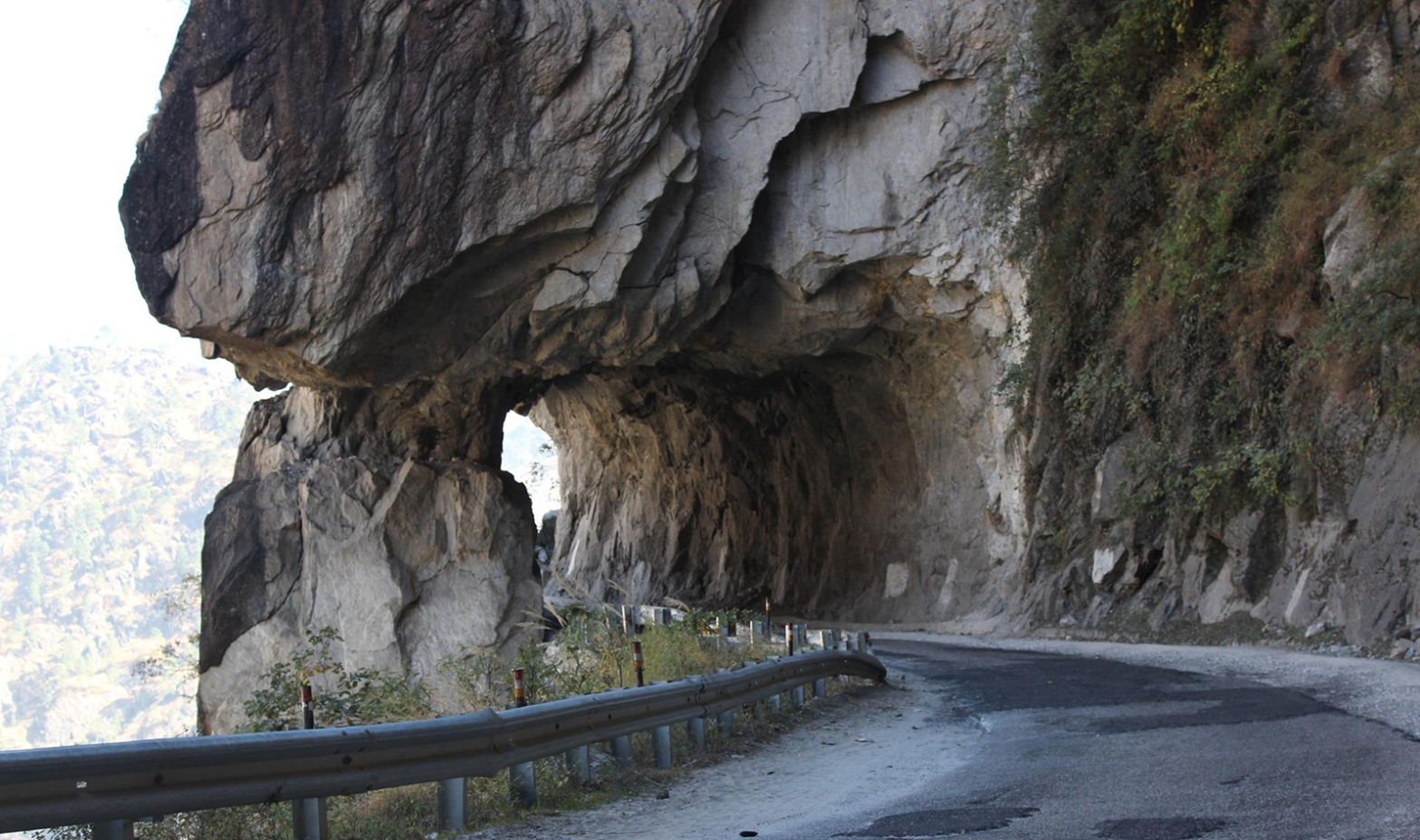
This incredible Himalayan road trip takes you through breathtaking mountain passes, ancient monasteries, remote villages, hanging bridges, apple orchards, glaciers, rivers, and snow-covered landscapes. Witness the untouched beauty of high-altitude desert valleys while exploring some of the world’s highest motorable villages and iconic Buddhist monasteries.
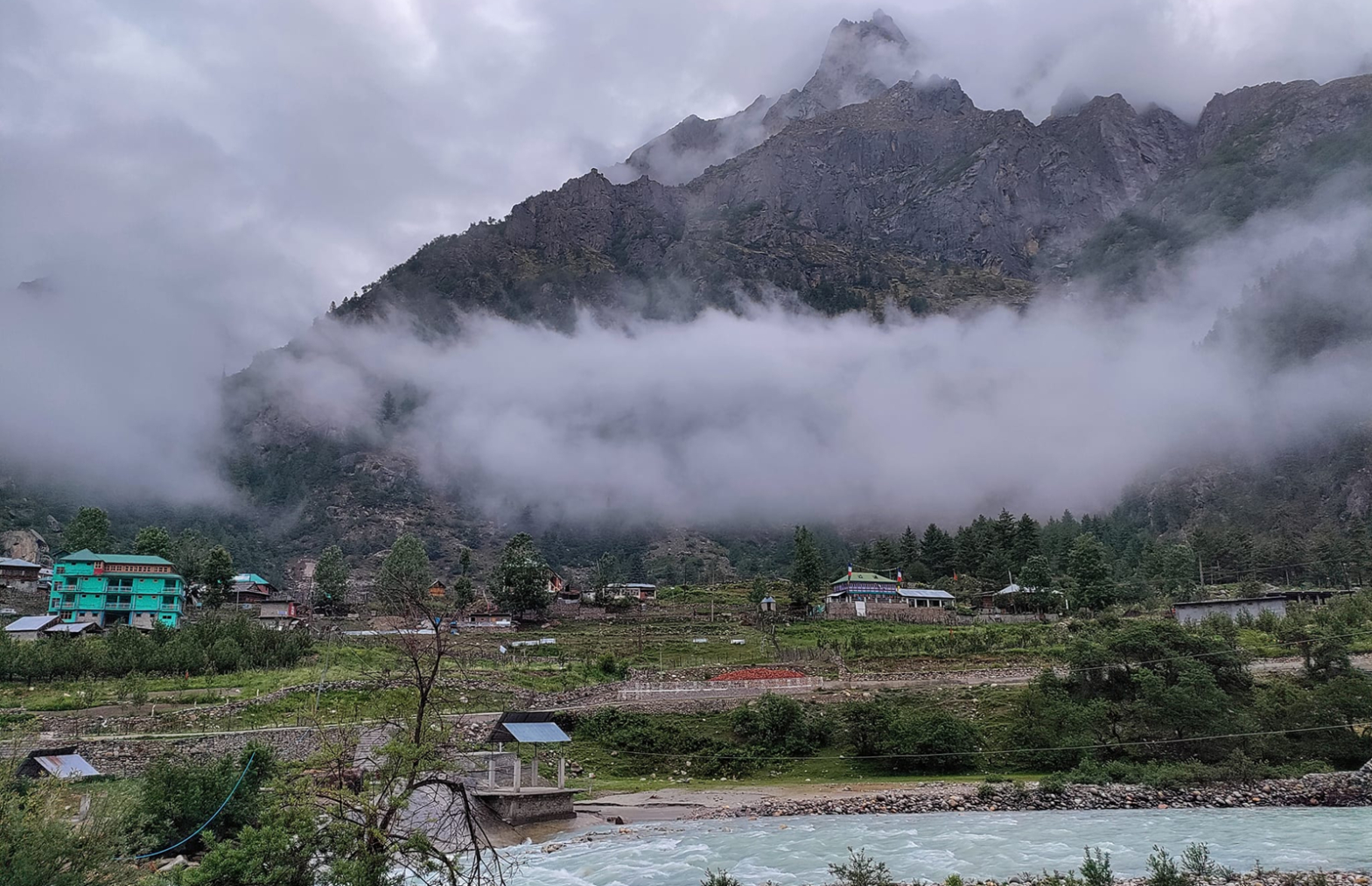
From the peaceful banks of the Baspa River to the rugged beauty of Spiti, every day offers stunning scenery, adventure, photography opportunities, and spiritual experiences.
Highlights
- Visit Chitkul – India’s Last Village
- Explore the Magical Spiti Valley
- Visit World’s Highest Villages & Post Office
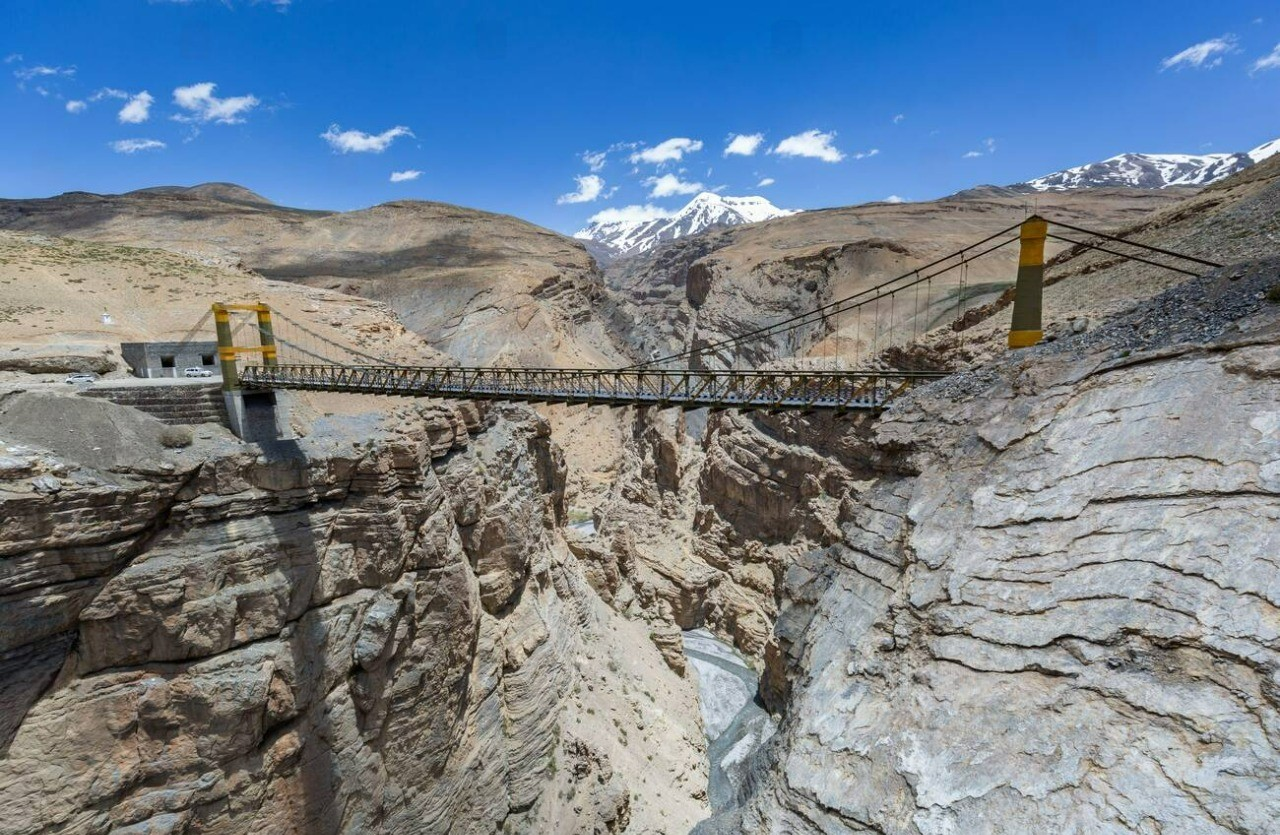
- Witness Asia’s Highest Suspension Bridge
- Ancient Monasteries & Himalayan Culture
Itinerary
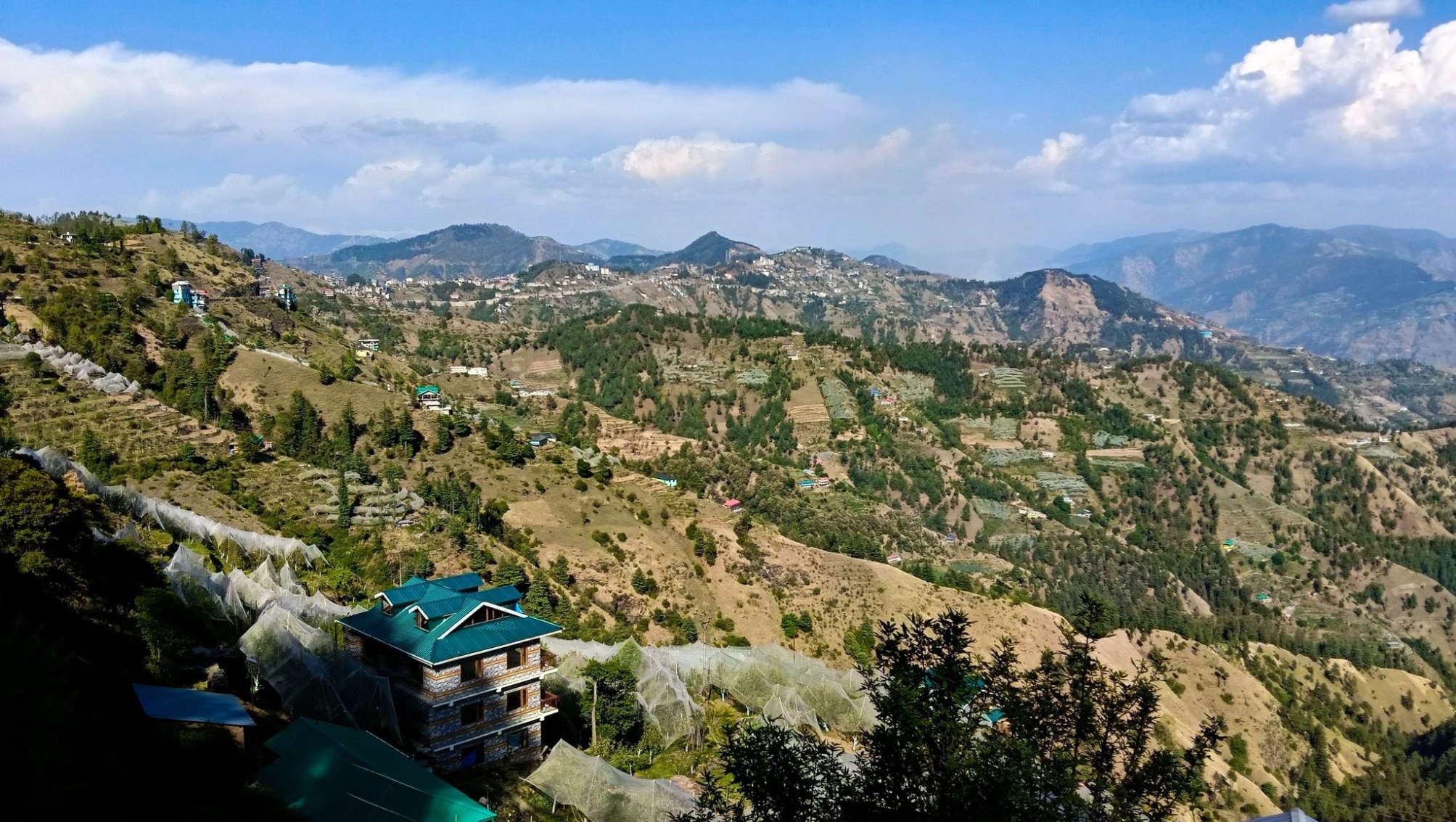
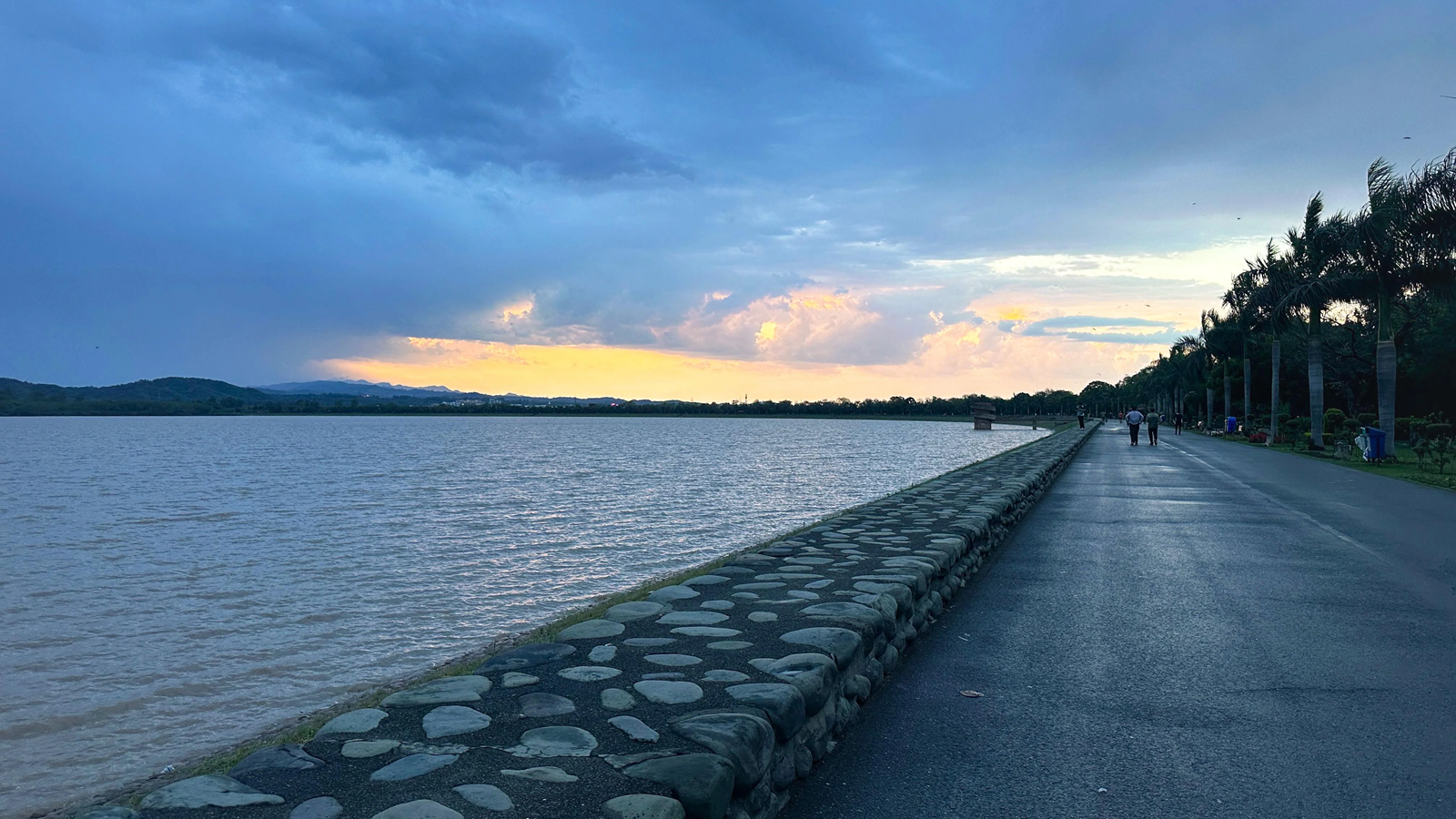
Pick-up of passengers from Delhi Airport by coach vehicle and also pick-up of remaining passengers who have arrived before 12 noon at Chandigarh Airport/Railway Station, and proceed by sharing vehicle via Pinjore Garden towards Fagu. (Approx. 360 km / 8 hours) Check-in at hotel in Fagu. Enjoy beautiful views of sunrise and sunset in the Himalayan mountain ranges. (Carry warm clothes for cold.)
After breakfast, check-out from the hotel and proceed from Fagu to Sangla via Narkanda, Kinnaur Gate and Karcham Dam (Approx. 200 km / 7 hours). On arrival at Sangla, check-in and rest. En route, short stops will be made at beautiful viewpoints for photography and videography.
After breakfast, proceed from Sangla to Chitkul via Rakchham (Approx. 24 km / 2 hours). The entire route passes through mountains and forests with many beautiful viewpoints. Near Rakchham, a camp is located on the bank of the Baspa River. Chitkul is the last village near the Indo-Tibet border in India. After sightseeing and a photo session in Chitkul, return to Sangla.
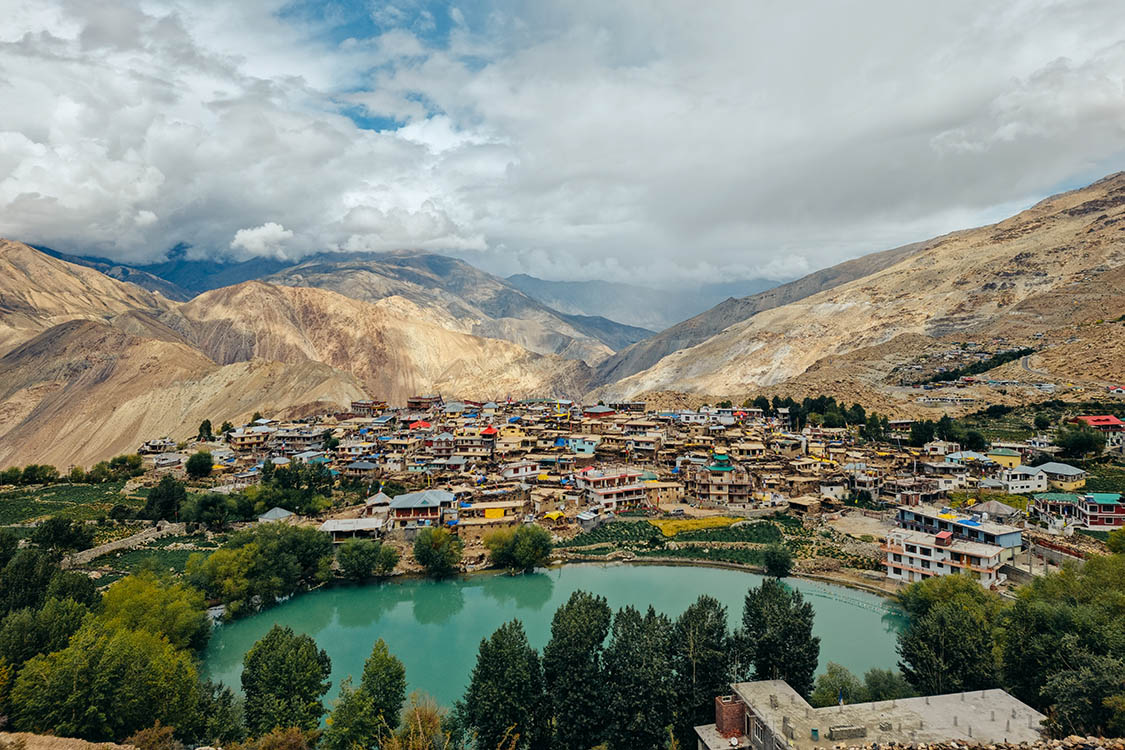
After breakfast, check-out from the hotel and proceed from Sangla to Tabo (Approx. 210 km / 9.30 hours). On the way, visit Nako Village Monastery and Nako Lake, which freezes in winter and is used for ice skating. Further ahead, stop near Sumdo Village at the Spiti entry gate and continue the journey. Visit the 500-year-old Mummy at Gue Monastery and Pin Valley Monastery. On arrival at Tabo, check-in at the hotel and rest.
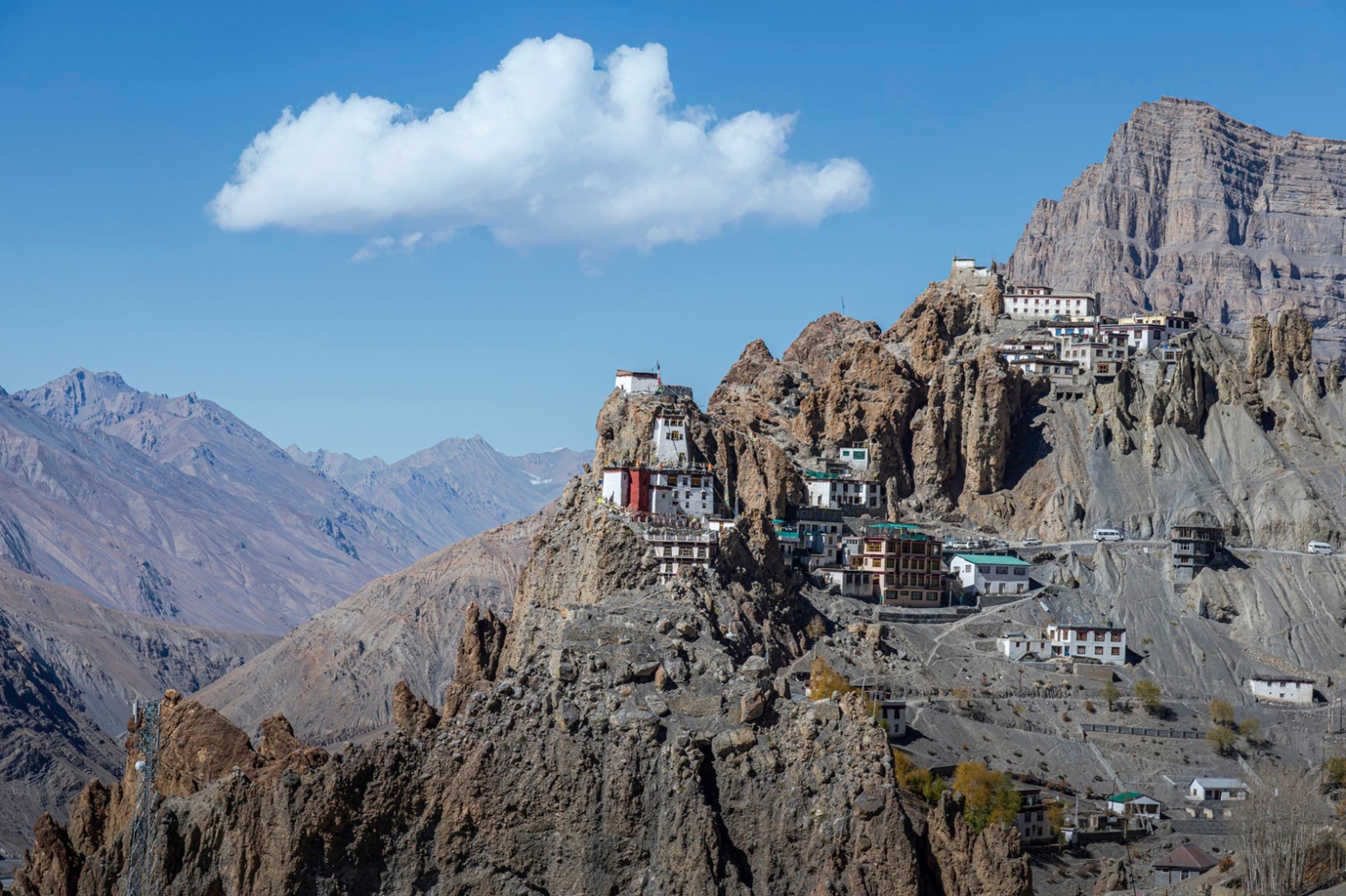
After breakfast, check-out from the hotel and proceed from Tabo to Kaza/Rangrik (Approx. 50 km / 2.30 hours). On the way, visit Tabo Monastery, Tabo Caves and Dhankar Monastery. After that, arrive at Kaza/Rangrik.
After breakfast, visit local sightseeing around Kaza such as Key Monastery, Tibetan Buddhist learning center, Kibber, Hikkim (world’s highest post office), Chicham Bridge (Asia’s highest suspension bridge), Komic Village (highest motorable village) and Langza (giant Buddha statue). After that visit Kaza Monastery and return to the hotel.
After breakfast, check-out from the hotel and proceed from Kaza/Rangrik to Thiyog/Fagu (Approx. 400 km / 12 hours). Stay at Theog or nearby villages in a hotel or camp for night halt.
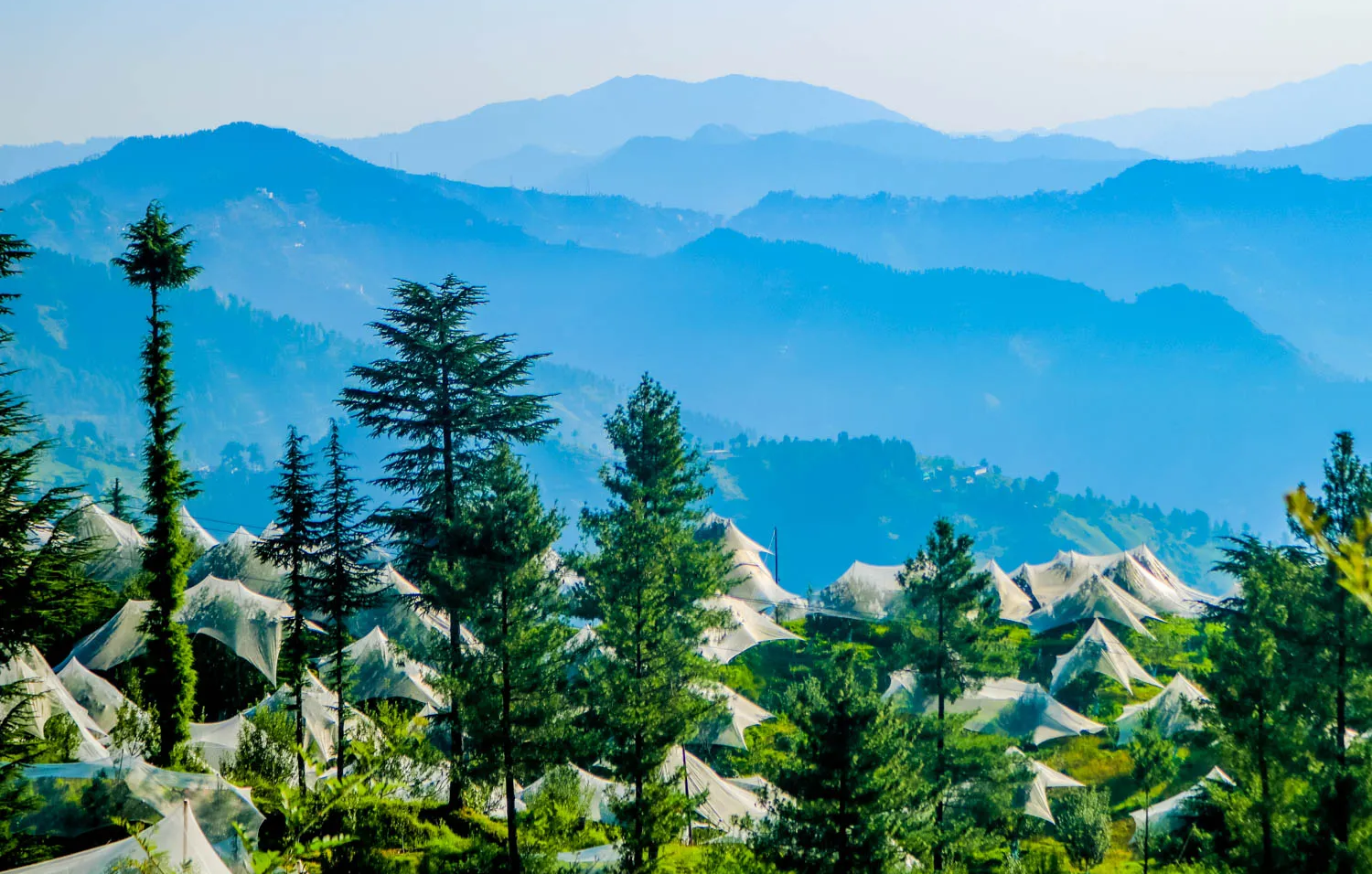
After breakfast, check-out from the hotel and proceed from Theog/Fagu to Chandigarh via Kufri/Shimla (vehicle will go till where allowed). Enjoy beautiful views of apple orchards and scenic locations. On arrival, you will be dropped at the Chandigarh hotel. Our vehicle will drop you at the hotel and return immediately. The next day, proceed from the hotel to the airport/railway station by taxi/auto and reach your destination safely.
After breakfast, check-out from the hotel in Chandigarh and proceed by taxi/auto from the hotel to Chandigarh Airport or Railway Station and reach on time. Travel from Chandigarh to Delhi by yourself.
Cost
The Cost Includes
- Accommodation on double sharing basis in deluxe hotels/home stays
- Breakfast & Dinner as per itinerary
- All transfers and sightseeing by sharing vehicle (Tempo Traveller or similar)
- Pick-up from Delhi Airport and Chandigarh Airport/Railway Station
- Drop at Chandigarh Hotel (last day transfer to airport/railway station by own)
- All sightseeing as mentioned in the itinerary
- Experienced tour management support
The Cost Excludes
- Flight / train tickets
- Lunch and any extra meals
- Any personal expenses (shopping, laundry, etc.)
- Monument/entry fees (if applicable)
- Room upgrade charges (₹6000 per room extra)
- Taxi/auto charges for local transfers not included in itinerary
- Any cost arising due to natural calamities (landslide, road block, snowfall, etc.)
- Any additional sightseeing or services not mentioned in inclusions
- Travel insurance
- GST & TCS
FAQs
Annapurna Base Camp is a Grade B or a moderately difficult trekking route. So any fit person can do this trek, even if you do not have any previous experience. You should be aware of what to expect and mentally prepare for it. Then, as long as you will too, you can.
On average, you walk about 4 to 6 hours per day. One or two days can be as less as 3hrs and one or two days can be as long as 7hrs.
The highest altitude reached is 4190m. This is the elevation of Annapurna Base Camp. ABC is the highest we will climb in this trek.
Yes, you can charge batteries en route. Charger should be brought. There are hot shower facilities as well. You may have to pay a certain amount for both ($1-$2). Negotiate. Also, a hot water facility could be free at a lower elevation.
No. There are no ATMs on this trek route. You will have to draw enough cash in Pokhara or Kathmandu. There are a number of ATMs in these cities. Everything is paid in Nepali rupees. So money should be exchanged before the start of the trek.
Yes. The Internet can be accessed in most places. Sometimes, there might be some technical problems. The Internet in Nepal is not as fast as you are used to and at times you can just lose connection.
Not really. It depends on you. If you want, ABC trekking can be done independently. You could hire a guide and a porter by yourself instead of going through an agency or not hire a guide at all. Although, not having a guide can be a little problematic during the offseason.
It really depends on you. Is it your first time in Nepal? How confident are you of being able to find your way around? How pressed on time are you? If you go through an agency, it will be costlier but everything will be planned. You will only have to come, trek and return.
For the Annapurna region, pay for guides range from $20 to $30 per day and porters take $15 to $25 per day.